

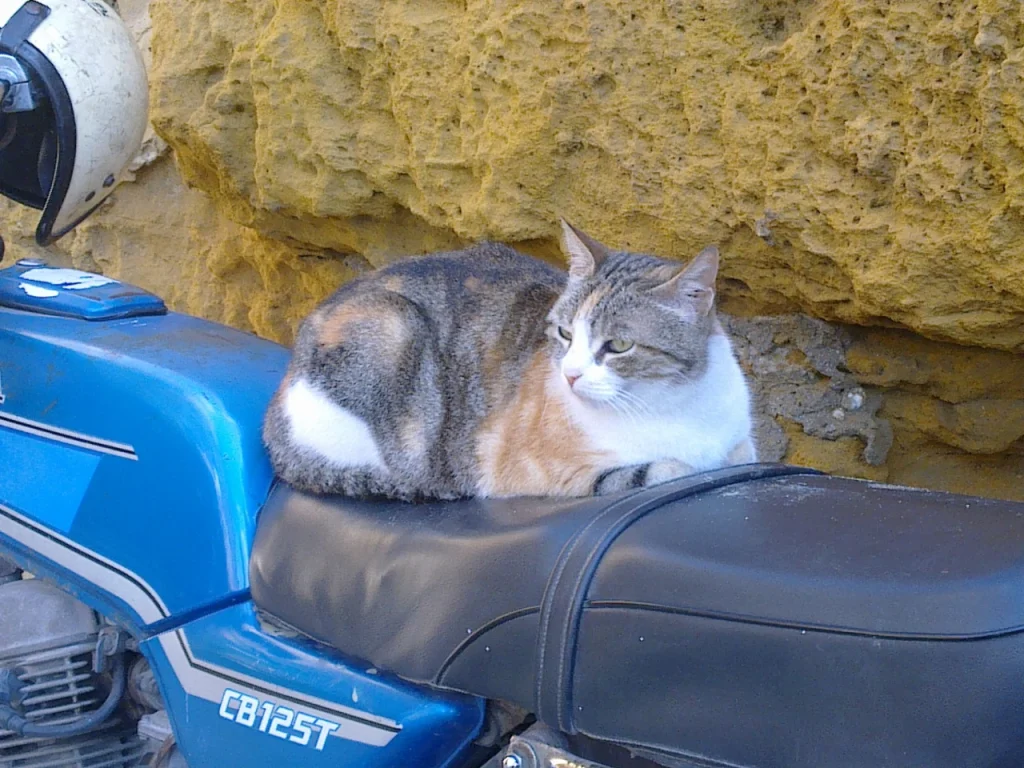
A cat dozing on a warm limestone step makes an irresistible Gozo photograph. Cats appear in village squares, quiet lanes, gardens and social media feeds, becoming part of the visual character visitors associate with the island. Yet the appealing photograph shows only a moment. Behind many of Gozo’s familiar feline faces are people giving their own time and money to keep colonies fed, monitored and as healthy as possible.
This is their story too: the feeders who arrive before work, the volunteers who notice when a regular cat is missing, the drivers taking an injured animal to treatment and the organisations trying to match abandoned animals with safe homes. Enjoying Gozo’s cats responsibly begins with recognising that care is continuous, practical and often unpaid.
The cats visitors remember
Gozo’s cats have become increasingly visible on Instagram, TikTok and travel pages. Their relaxed poses against honey-coloured stone create an image that feels unmistakably Mediterranean. Public places such as Villa Rundle Garden in Victoria are among the locations where visitors may encounter cats living alongside everyday island life.
Social attention can be positive when it builds empathy, attracts adopters or directs donations towards local care. It becomes less helpful when colonies are treated as attractions, when precise locations are widely promoted or when visitors interfere with routines established by the people responsible for the cats.
The work behind a healthy colony
Colony care means much more than putting down a bowl of food. A regular feeder learns which cats belong to the group, which have been neutered, how much food is needed and whether a particular animal is losing weight, limping or behaving unusually. Clean water, tidy feeding areas and the removal of leftovers are essential parts of responsible care.
Neutering is especially important. It helps stabilise colony numbers and reduces the cycle of repeated litters, vulnerable kittens and already-stretched resources. Malta’s Cat Feeders Regulations recognise registered feeders and require colony information to be supplied to the relevant local council. They also state that feeders must monitor health and make every effort to have colony cats neutered.
That responsibility can mean early mornings, late-night emergencies, veterinary costs and finding someone to cover a feeding round when the usual carer is ill or away. Much of it happens quietly, long after the photograph has been posted.
Why casual feeding is not always the answer
Offering food feels like the obvious way to help, but an established colony may already have a feeder, a timetable and cats with particular dietary or medical needs. Extra food can attract other animals, spoil in the heat, leave an untidy public area or make it harder to understand whether a cat is eating normally.
If you meet a colony that appears healthy, first look for signs of an organised feeding point or ask locally whether someone already cares for it. Supporting that person with suitable sealed food or a donation may be more useful than opening a meal on the spot. Never leave milk: many adult cats cannot digest it well. Always remove packaging, tins and disposable dishes.
Gozo SPCA: volunteering, rescue and support
Gozo SPCA is one of the island’s best-known voluntary animal welfare organisations. Its volunteers help with the daily care of animals at the centre, including cleaning, feeding, exercising and training. The organisation welcomes practical help and accepts donations towards its work.
Anyone interested in helping should use the organisation’s current volunteering and donation information rather than arriving unannounced with an animal or assuming that space is available. Rescue organisations work with limited capacity, so contacting them first allows the team to advise what is realistically possible.
Animal Welfare Gozo: help for injured strays
Animal Welfare Gozo, operated by the Ministry for Gozo, provides a round-the-clock ambulance service for injured stray animals. Animals taken into its care receive treatment and may later be rehomed. The service also publishes information about neutering vouchers for feeders of stray cats.
How visitors can make a genuine difference
- Donate directly: even a modest contribution can help with food, treatment and daily running costs.
- Ask what is needed: regular carers may need a particular food, help with transport or temporary cover more than another open bowl.
- Volunteer responsibly: contact an organisation in advance and commit only to work you can reliably complete.
- Consider adoption: speak to a recognised organisation, expect suitability checks and make a lifetime commitment rather than an impulsive holiday decision.
- Share useful information: social posts can link to donation and adoption pages while protecting sensitive colony and kitten locations.
A better story for social media
The next time a Gozo cat pauses beside a painted doorway or settles beneath an olive tree, take the photograph, but tell the fuller story. Mention the carers. Link to an organisation. Explain why neutering and regular monitoring matter. Encourage followers to support the people doing the work rather than seeking out a colony for content.
The cats may be the visible stars, but the island’s volunteers are the reason many of them can appear relaxed, fed and familiar. Turning online affection into informed support is the most valuable trend Gozo’s cats could inspire.
Sources and review
Information reviewed 25 July 2026 using Gozo SPCA, the official Animal Welfare Gozo service page and Malta’s Cat Feeders Regulations 2024. Contacts, services and donation methods can change; verify details with the organisation before acting.
Helping Gozo’s cats
Frequently asked questions
Should visitors feed Gozo’s street cats?
Check whether an established feeder already manages the colony. Supporting their routine with suitable food or a donation is often more helpful than leaving extra food, which can spoil, attract pests or interfere with health monitoring.
What should I do if I find an injured stray cat in Gozo?
Call the Animal Welfare Gozo ambulance service on 7969 1717, give a precise location and follow its instructions. Avoid chasing, treating or moving a frightened animal unless the service advises you to do so.
How can I support Gozo SPCA?
Gozo SPCA accepts donations and welcomes volunteers for practical animal care tasks. Check its official volunteering and donation page for current needs, contact details and ways to contribute.
Can I adopt a cat while visiting Gozo?
Potential adoption should be discussed directly with a recognised welfare organisation. Expect suitability checks and practical arrangements, especially for overseas travel. Remember that adoption is a long-term commitment rather than a holiday souvenir.