

Gozo’s terraced fields, limestone garigue, valleys and old country lanes are rich in scent and seasonal colour. Capers spill from stone walls, fennel rises beside rural tracks and fruit trees mark generations of cultivation. This landscape naturally invites curiosity, but responsible foraging begins with restraint. Some plants are protected, some grow on private or cultivated land and some toxic species can resemble familiar edible ones.
Never eat a wild plant based on a photograph or app
Only consume something identified in person by a suitably knowledgeable local expert, collected with the landowner’s permission and confirmed as lawful to take. Do not taste an unknown plant to identify it. If there is any uncertainty about the species, location, contamination, preparation or your own health, leave it untouched.
Foraging or simply noticing?
The most rewarding introduction to Gozo’s wild food culture may be an observational walk rather than a collecting trip. Learning how rubble walls shelter plants, how the first rains transform the countryside and how local ingredients move from field to pantry creates a deeper connection without removing anything from the landscape.
A guided outing with a botanist, experienced local forager or grower is the safest approach. A responsible guide should discuss land access, protected species, lookalikes, sustainable quantities and preparation rather than merely point at a plant and call it edible.
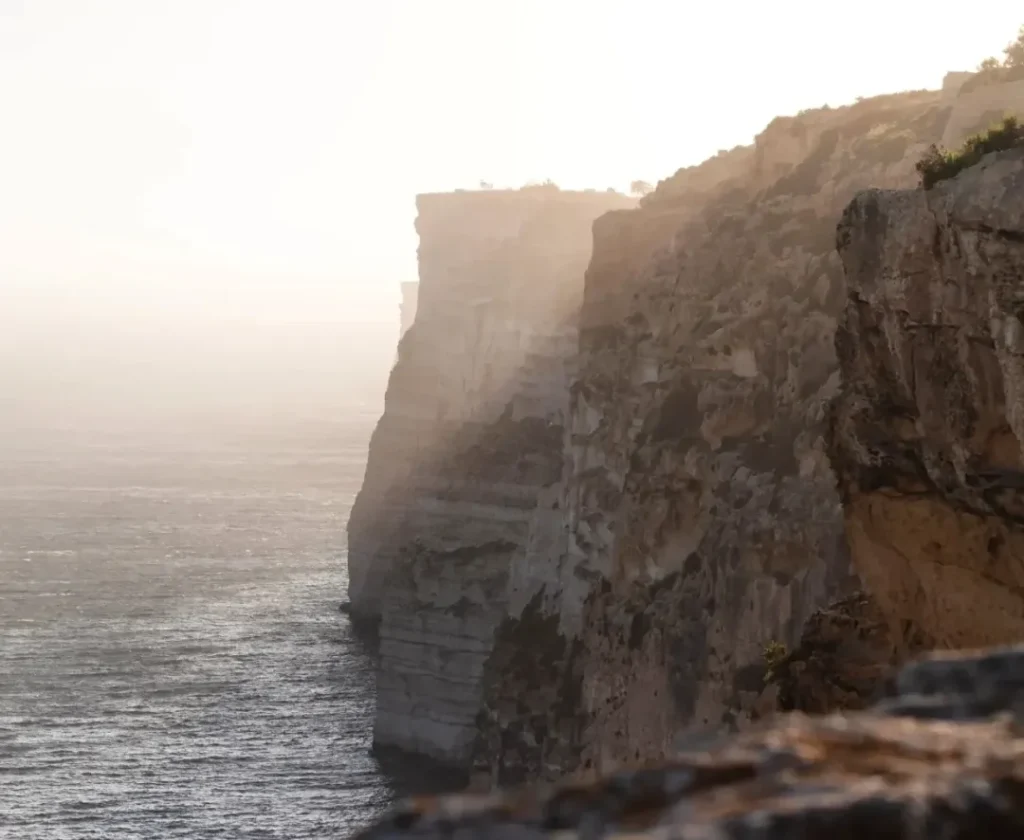
Wild flavours associated with Gozo
The following plants and flavours are part of the island’s food story. They are included for cultural context, not as identification or collection instructions.
Capers
Caper bushes are a familiar sight on limestone walls and traditionally cured capers appear in bread, salads, sauces and fish dishes. However, a bush that looks wild may be tended or stand on private property. The official Visit Gozo account of Gozo’s caper tradition also notes that some plants in private fields are actively cared for. Buy locally prepared capers or learn with the owner rather than assuming they are free to take.
Fennel and aromatic herbs
Fennel and Mediterranean herbs contribute familiar scents to rural walks, particularly around disturbed ground and field margins. Yet the carrot family includes dangerous plants and aroma alone is not proof of identity. Never treat an online photo, common name or phone application as sufficient confirmation.
Prickly pear, carob, figs and olives
These fruits are closely associated with Mediterranean landscapes, but most trees and plants belong to someone. Prickly pear carries fine, easily missed spines; fallen or damaged fruit may be contaminated; and olives require appropriate processing. The safer visitor experience is to purchase fruit and preserves from a farm shop, market or producer.
Wild mushrooms
Do not collect or eat wild mushrooms unless an experienced local mycological expert has identified each specimen in person. Poisonous mushrooms can resemble edible species, cooking does not neutralise every toxin and symptoms may be delayed. A general nature guide or plant identification app is not an adequate safeguard.
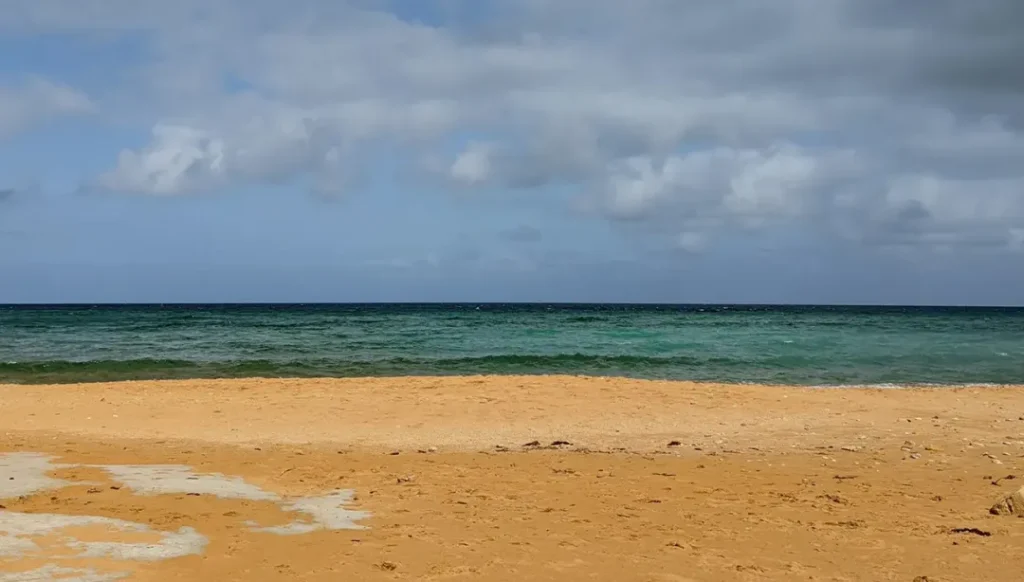
Where visitors encounter Gozo’s food landscape
The countryside around Xagħra, Żebbuġ, Għarb, Għasri, Kerċem and Munxar reveals field terraces, farm lanes and valley systems. These are good places to appreciate rural Gozo, but they are not public larders. Stay on lawful paths, respect gates and signs, do not climb rubble walls and never enter a field merely because it appears unattended.
Valleys leading towards Xlendi and the greener ground near Fontana may support distinctive vegetation. Wet ground, reed beds and field edges also carry environmental and physical risks, including slippery surfaces, insects, agricultural chemicals and unstable walls.
Legal and environmental responsibilities
- Protected means leave alone. Malta protects native, endemic and rare species and rules can apply to taking, possession and disturbance.
- Protected places need extra care. Nature reserves, Natura 2000 sites, dunes, cliffs and other sensitive habitats are not appropriate places for casual collecting.
- Private land requires permission. A roadside wall, field edge or fruit tree may still have an owner.
- Take no roots or whole plants. Uprooting causes far more damage than observing and may prevent regeneration.
- Avoid rare or sparse populations. If only a few specimens are present, leave every one of them.
- Do not disturb walls or soil. Gozo’s traditional rubble walls are important landscape features and wildlife habitat.
The Environment and Resources Authority administers key nature protection rules. Check current ERA nature guidance before any planned collecting activity.
Contamination and preparation risks
- Avoid roadsides, parking areas, drains, industrial land and places used by dogs or livestock.
- Do not collect from fields that may have been sprayed or recently treated.
- Seawater and rain do not make a plant clean and washing cannot remove every toxin or chemical.
- Keep identified items separate; one uncertain specimen can contaminate a whole basket.
- Some plants require specialist curing or preparation and should not be eaten raw.
- Try only a small amount of a professionally confirmed food because allergy and intolerance remain possible.
Health considerations
Wild foods can interact with medicines or be unsuitable during pregnancy, breastfeeding, childhood, chronic illness or allergy. “Natural” does not mean harmless. Anyone with a relevant medical condition should seek advice from a qualified healthcare professional before consuming unfamiliar wild food.
If someone becomes unwell after eating a wild plant or mushroom, seek urgent medical help. Keep a sample or clear photograph if this can be done safely, note where it was collected and do not wait for severe symptoms before acting.
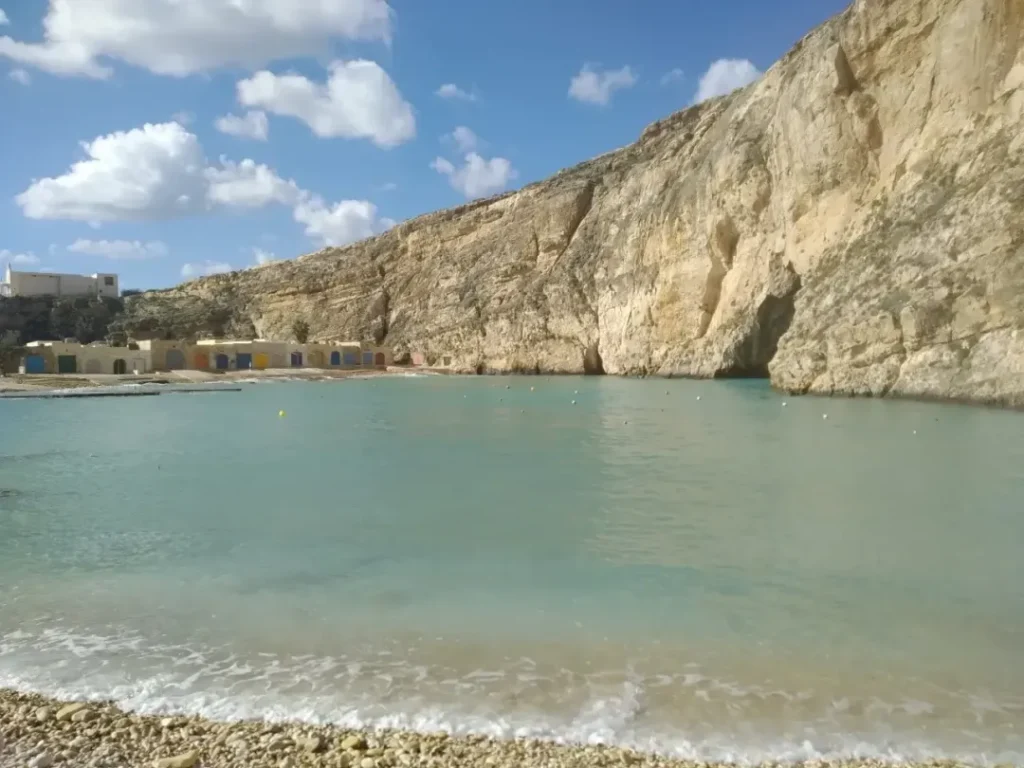
Plants to admire, never pick
Gozo supports endemic plants found nowhere else or within a very limited range. Visit Gozo specifically highlights the Maltese Everlasting around Dwejra as legally protected and asks visitors to admire it without picking. Orchids and other uncommon wildflowers also deserve the same hands-off approach. A plant’s attractive scent, traditional reputation or resemblance to a culinary herb does not override its protected status.
A safer way to experience the tradition
- Book a small guided walk led by someone with credible local botanical knowledge.
- Ask whether the outing has the landowner’s permission and whether collecting is actually included.
- Learn the plant’s Maltese, English and scientific names, together with its toxic lookalikes.
- Photograph and make notes instead of collecting uncertain or uncommon specimens.
- Visit a producer to see how capers, olives, tomatoes, honey and fruit preserves are prepared.
- Buy finished local products, supporting growers while avoiding identification and access risks.
A responsible countryside checklist
- Closed shoes, sun protection and sufficient water
- A charged phone and offline map
- Landowner permission where required
- An experienced local guide for identification
- Separate containers only for positively confirmed, lawful items
- No collecting beside traffic, sprayed fields or polluted water
- Do not remove anything from protected sites or take protected species
- A willingness to leave everything in place
Important foraging disclaimer
Species protection, site access, land ownership and collecting rules may change. Plant appearance also varies by age, season and growing conditions. This guide is general travel information, not botanical identification, legal or medical advice. Never consume a wild plant or mushroom unless it has been identified in person by a suitably qualified local expert and you have confirmed that collecting it is lawful and permitted.
Take knowledge, photographs and local flavours home
Responsible foraging in Gozo is less about filling a basket and more about understanding the relationship between people, seasons and the island’s limestone landscape. Walk with someone knowledgeable, ask permission, protect rare plants and choose local producers whenever uncertainty remains. The countryside will offer a richer story and remain intact for the next visitor.
Plan with confidence
Frequently asked questions
Is it legal to forage anywhere in Gozo?
No. Plants may be protected, land may be private or cultivated and collecting can be restricted. Obtain the landowner’s permission and reliable local guidance before taking anything and leave a plant untouched whenever its legal status is uncertain.
Can a plant identification app tell me what is safe to eat?
No app, photograph or website should be treated as proof that a wild plant is edible. Dangerous lookalikes, contamination and preparation risks require in-person identification by a suitably knowledgeable local expert.
What is the safest way to learn about wild food in Gozo?
Choose a guided observational walk with a botanist, experienced local forager or grower who discusses identification, land access, protected species and sustainable practice. Learning without collecting can be just as rewarding.
When is Gozo’s countryside most interesting for plants?
Autumn rain, winter growth and spring flowering bring noticeable seasonal changes, but conditions vary from year to year. Observe plants without assuming that abundance makes them lawful or safe to collect.