

Gozo rewards cyclists with compact distances, elevated village views, quiet rural lanes and memorable coastal scenery. Yet the island’s small size can be deceptive: it is distinctly hilly, road widths vary, surfaces can change quickly and dedicated cycling infrastructure is limited. A successful ride therefore begins with realistic planning rather than simply choosing the shortest line on a map.
Safety comes before the route
Ride on the left, wear a correctly fitted helmet, stay visible and assume you may meet cars, buses, agricultural vehicles or pedestrians around any bend. Choose a bicycle with reliable brakes and suitable tyres, reduce speed on descents and never continue onto a cliff-edge path or rough track that exceeds your ability. If conditions feel unsafe, dismount or change the route.
Is Gozo good for cycling?
Yes, provided you are comfortable with hills and mixed traffic. Gozo is approximately 14 kilometres long and 7 kilometres wide, so most destinations look close together. The climbs out of valleys and bays, however, add time and effort. A ride to the coast commonly ends with a sustained climb back towards the central plateau.
Early mornings are often the most comfortable time to ride, particularly in warmer months. Village squares, Ta’ Pinu, Dwejra, the salt pan coast near Marsalforn and viewpoints around Xagħra, Nadur and Ta’ Ċenċ can all fit naturally into a cycling day. The official Visit Gozo cycling guide is also a useful starting point when planning.
Choose the right bicycle
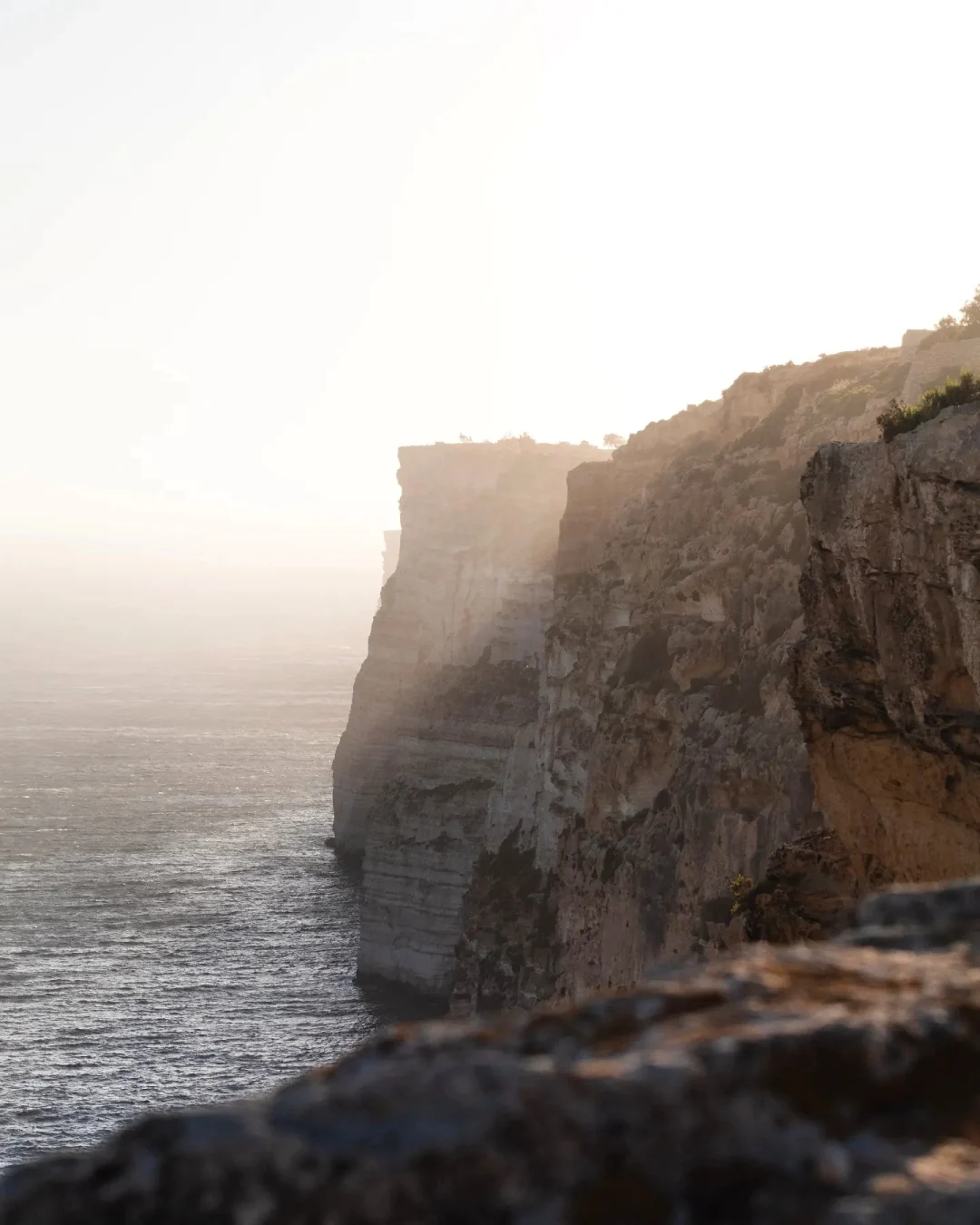
A hybrid or touring bicycle is suitable for paved village and country roads. A mountain bike offers more confidence on loose or uneven tracks, although not every walking path is appropriate or permitted for cycling. An e-bike makes Gozo’s repeated climbs more manageable, but its extra weight increases stopping distance and can make a flat battery particularly inconvenient.
- Hybrid bike: a practical choice for predominantly paved routes.
- Mountain bike: useful for suitable rough tracks and riders with off-road experience.
- E-bike: helpful on climbs, but check battery range, controls and applicable rules.
- Road bike: efficient on good surfaces, though narrow tyres demand extra care on potholes, grit and broken road edges.
Five route ideas around Gozo
The following are planning ideas rather than prescribed cycle routes. Distances are approximate and change with your chosen roads, diversions and start point. Check the complete route and elevation before setting out.
1. Victoria, Ta’ Pinu and Għarb
Approximately 18 to 25 km · Rolling to moderately hilly. Leave Victoria for the western villages, visit Ta’ Pinu and continue through Għarb before returning. This is a good introduction to Gozo’s rural character, but select quieter roads where possible and expect climbing on the return. Bus routes 308, 311 and 312 may provide useful planning reference points, although bicycles are not guaranteed to be accepted aboard.
2. Victoria, Xagħra and Marsalforn
Approximately 20 to 25 km · Moderate with sustained climbs. Combine Xagħra’s village streets with the descent to Marsalforn and the coastal scenery beyond. Save energy for the climb inland. Routes 307 and 310 serve these areas, but always verify current timetables and bicycle carriage rules separately.
3. Mġarr, Qala, Ħondoq and Nadur
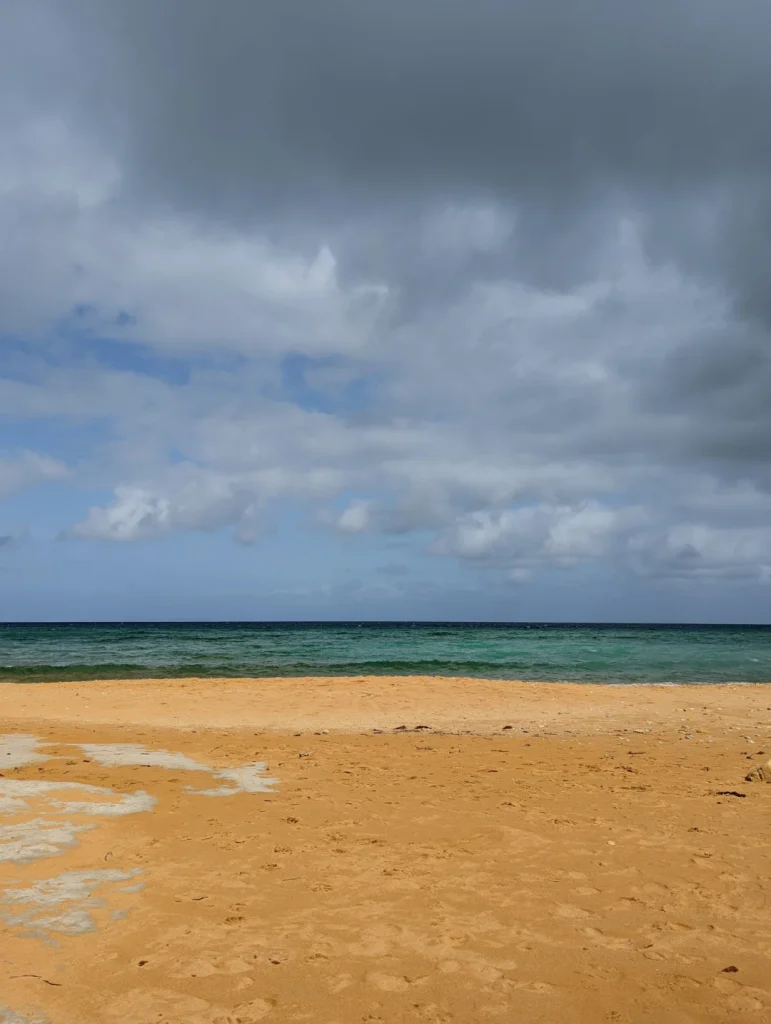
Approximately 15 to 20 km · Hilly. Starting near the ferry terminal creates a compact eastern loop through Qala and Nadur, with the option to descend towards Ħondoq ir-Rummien. Remember that every descent to the shore must be regained. Ferry traffic can make the roads around Mġarr busier at arrival times.
4. Victoria, Sannat, Ta’ Ċenċ and Xlendi
Approximately 20 to 25 km · Hilly and occasionally exposed. This southern circuit mixes village roads, high limestone scenery and a coastal stop at Xlendi. Keep bicycles away from fragile cliff edges and pedestrian-only paths. Routes 306 and 330 connect parts of this area if you are planning alternatives, but do not rely on a bus as a bicycle rescue service.
5. The western Dwejra loop
Approximately 25 to 35 km · Challenging. A western loop through San Lawrenz, Dwejra and Għarb offers some of Gozo’s grandest landscapes. It also brings long gradients, exposed stretches and tourist traffic near major sights. Start early, carry water and allow considerably more time than the mileage alone suggests.
Road safety on Gozo
- Ride on the left and obey signs, signals and current Maltese road rules.
- Wear a helmet. Gloves and eye protection are also sensible, particularly on longer or rougher rides.
- Be conspicuous. Use bright clothing and working front and rear lights, including in flat light, tunnels, shade or poor visibility.
- Control descents. Brake before bends, scan for loose gravel and leave a generous stopping distance.
- Signal early and predictably. Avoid sudden movements, phones and headphones that isolate you from traffic.
- Ride single file where roads are narrow or visibility is restricted.
- Do not assume priority. Make eye contact at junctions and be prepared for doors, reversing vehicles and pedestrians.
- Avoid peak heat and busy periods when a quieter or earlier alternative is available.
Tracks, limestone and cliff-edge terrain
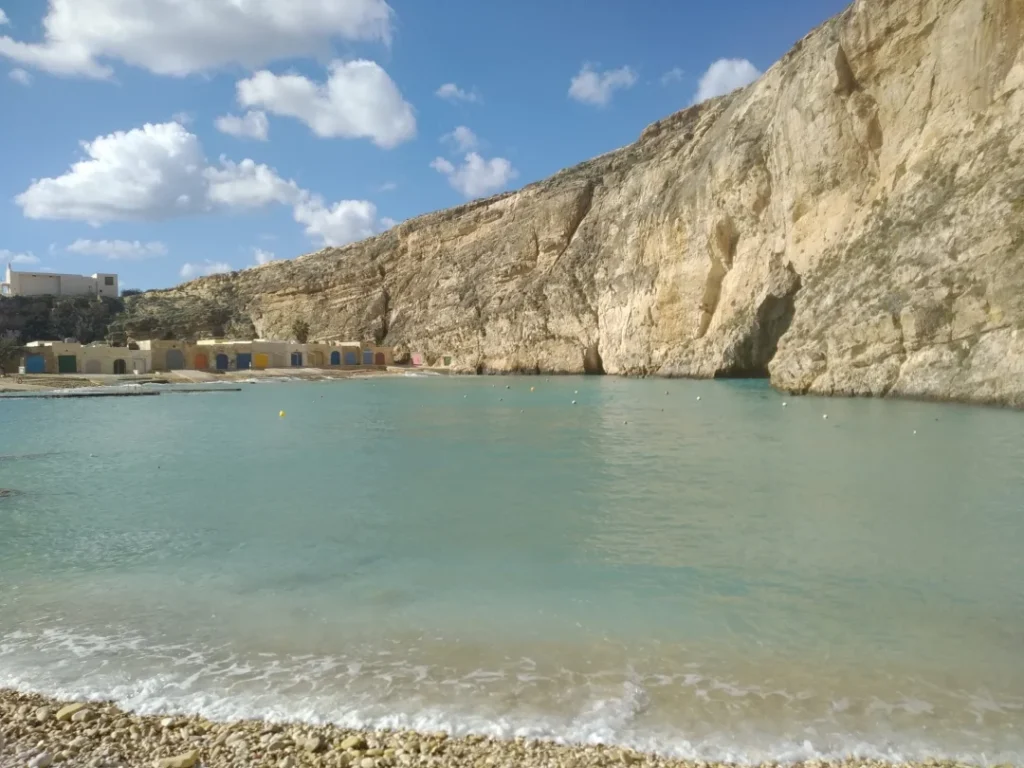
Rural paths can shift from firm limestone to ruts, loose stone or mud with little warning. Limestone becomes slippery when wet, while dry dust and gravel reduce grip on bends. Slow down before the surface changes and walk the bicycle across steps, eroded ground or crowded paths. Do not ride close to cliff edges, onto protected terrain or through private land and give walkers and animals ample space.
E-bike safety and battery planning
An e-bike reduces effort but does not remove the need for cycling fitness, balance or braking skill. Ask the hire provider to explain assistance levels, display functions and how the motor behaves when starting. Confirm realistic range for a hilly route rather than relying on the maximum advertised figure. Use a lower assistance level on flatter sections and never begin a remote loop with a marginal charge.
Pedelec and other powered cycle rules can differ according to power, speed and vehicle classification. Check the current Transport Malta Road Code and follow the hire operator’s instructions.
Heat, wind and changing weather
Carry more water than you expect to need and plan refill points before leaving the villages. Sun protection is important even outside midsummer. Strong crosswinds can affect balance on exposed roads and coastal headlands, while rain can make polished limestone unexpectedly slick. Shorten or postpone the ride if heat, wind, visibility or surface conditions deteriorate.
Hire checklist before leaving
- Squeeze both brakes and confirm that each stops the wheel firmly.
- Check tyre pressure, tread and visible damage.
- Adjust saddle height and test the gears in a safe area.
- Confirm that front and rear lights work.
- For an e-bike, check charge, expected range, lock, key and charger arrangements.
- Ask what breakdown support is included and where the bicycle may be taken.
- Photograph existing damage and save the provider’s contact details.
- Carry water, sun protection, a charged phone and an offline route.
A sensible one-day cycling plan
Collect and test the bicycle early, then choose a loop that passes through villages rather than committing immediately to the most remote coast. Stop before the hottest part of the day, reassess the battery or your energy level at the halfway point and leave an easier route back to Victoria or your accommodation. A shorter ride with time for viewpoints and village stops is usually more enjoyable than racing to complete an over-ambitious circuit.
Important cycling disclaimer
Route conditions, diversions, access restrictions, bus services, bicycle carriage policies, hire terms and road rules may change. Distances in this guide are approximate. Check the latest route, weather, Transport Malta guidance and provider information before riding. This article is general travel information and is not a substitute for your own judgement, appropriate equipment or professional instruction.
Enjoy Gozo at a cyclist’s pace
Cycling reveals the short distances between Gozo’s villages while making its contours impossible to ignore. Select a bicycle suited to the surface, plan for the climbs, ride defensively and remain willing to turn back. With those habits in place, two wheels can be one of the most rewarding ways to experience the island.
Plan with confidence
Frequently asked questions
Is Gozo suitable for casual cyclists?
It can be, provided riders are comfortable with hills, mixed traffic and variable road surfaces. Choose a modest route, start early, avoid the hottest part of the day and be prepared to dismount when a road or track feels unsafe.
Would an e-bike be useful in Gozo?
An e-bike can make repeated climbs more manageable, but it does not remove the need for safe braking, suitable tyres or realistic route planning. Confirm the battery range, charger, assistance settings and hire support before departure.
Which side of the road should cyclists use in Gozo?
Cyclists ride on the left. Wear a correctly fitted helmet, remain visible, signal clearly and expect cars, buses, pedestrians or agricultural vehicles around bends and in village streets.
What should I check before hiring a bicycle?
Test both brakes, tyre condition, gears, lights and the fit of the helmet. Photograph existing damage, confirm what roadside assistance is included and ask whether the bicycle is suitable for your intended roads or tracks.